
The Science Behind Tornadoes
Explore the fascinating science of tornadoes and what makes them one of nature's most powerful phenomena.

The Science Behind Tornadoes
Tornadoes are among the most powerful and destructive weather events on Earth. For storm chasers and weather enthusiasts alike, understanding the science behind tornadoes not only deepens the experience—but also improves awareness and safety in the field.
While they may appear suddenly, tornadoes are the result of complex atmospheric conditions coming together in just the right way.
How Tornadoes Form
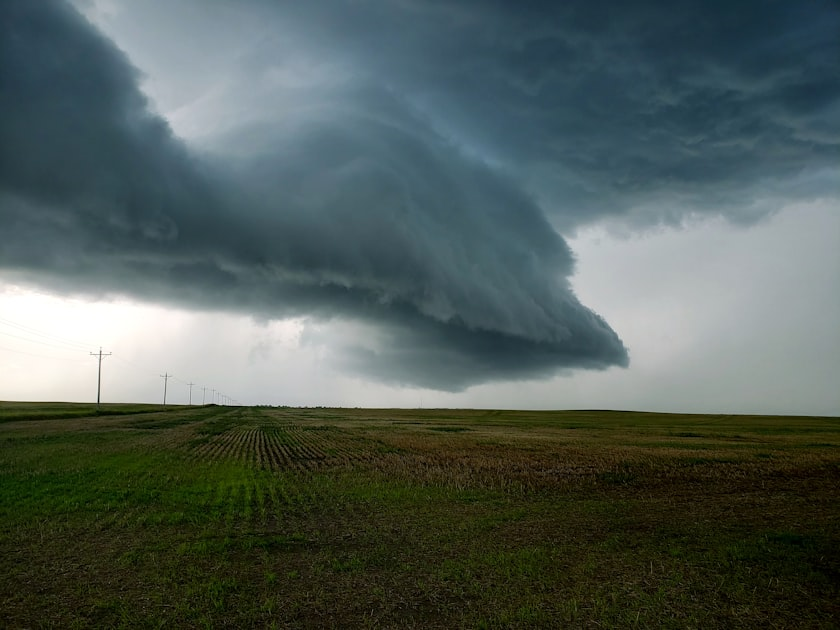
Most tornadoes develop from severe thunderstorms known as supercells. These storms contain a rotating updraft called a mesocyclone, which is the key ingredient in tornado formation.
As warm, moist air rises and meets cooler, drier air above, instability builds. Add in wind shear—where wind speed and direction change with height—and the storm begins to rotate.
Under the right conditions, this rotation can tighten and extend downward, eventually forming a visible funnel cloud. When that funnel makes contact with the ground, it becomes a tornado.
Not every supercell produces a tornado, but when the balance of instability, moisture, and wind shear aligns, the potential increases significantly.
Famous Tornado Outbreaks
Throughout history, tornado outbreaks have demonstrated just how powerful and unpredictable these storms can be.
Events like the Tri-State Tornado of 1925, which carved a devastating path across multiple states, and the Super Outbreak of 1974, one of the largest in recorded history, remain defining moments in severe weather.
More recently, outbreaks such as the 2011 Super Outbreak have shown how modern forecasting has improved warnings—but also how dangerous large-scale tornado events can still be.
Studying these events helps meteorologists and storm chasers better understand patterns, improve forecasting models, and ultimately save lives.
Safety Measures During Tornadoes
No matter how much you understand about tornadoes, safety must always come first.
If you are in the path of a tornado:
- Seek shelter in a sturdy building immediately
- Move to a basement or an interior room on the lowest floor
- Stay away from windows
- Protect your head and neck
For storm chasers, maintaining a safe distance and having a clear escape route is critical. Tornadoes can change direction quickly, and road options may become limited without warning.
Being prepared—and knowing when to back off—can make all the difference.
Why Understanding Matters
The science behind tornadoes isn’t just for meteorologists—it’s for anyone who respects the power of severe weather.
By learning how tornadoes form, studying past events, and practicing safety, you become more than just an observer. You become informed, prepared, and better equipped to experience storms responsibly.