
Capturing Nature: Storm Photography Tips
Learn how to capture stunning storm photography with our expert tips for aspiring storm chasers and photographers.

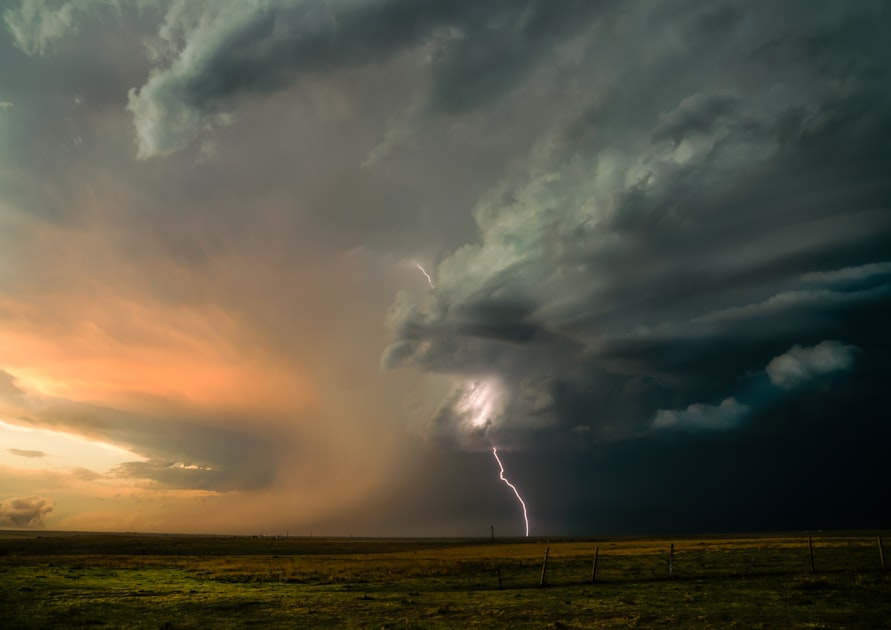
Storm photography is where science meets art. It’s about more than just pointing a camera at the sky—it’s about timing, awareness, and knowing how to safely capture the raw power and beauty of severe weather.
Whether you’re documenting a towering supercell or a distant lightning strike, the right approach can turn an ordinary shot into something unforgettable.
Choosing the Right Equipment
You don’t need the most expensive gear to get started with storm photography, but having the right setup can make a big difference.
A DSLR or mirrorless camera gives you the most control over settings, especially in low-light or rapidly changing conditions. A sturdy tripod is essential for stability, particularly when shooting lightning or long exposures.
Lenses matter too. A wide-angle lens is ideal for capturing massive storm structures, while a zoom lens can help you frame distant features like rain shafts or funnels.
No matter what gear you use, reliability is key—storms are unpredictable, and your equipment needs to keep up.
Best Practices for Shooting in Storms
Storm photography requires more than technical skill—it demands awareness and safety.
Always be mindful of your surroundings. Keep a safe distance from severe weather, and never put yourself in danger just to get a shot. Lightning, high winds, and rapidly changing conditions can all pose serious risks.
Positioning is everything. Try to stay ahead of the storm with a clear view of its structure, avoiding heavy rain that can obscure visibility. Pay attention to lighting as well—some of the best images happen during early morning or late evening when contrast and color are at their peak.
Patience is crucial. Storms evolve over time, and waiting for the right moment can make all the difference between a good photo and a great one.
Editing Your Storm Photos
Post-processing is where your images truly come to life. Editing allows you to enhance details, adjust contrast, and bring out the dramatic elements that make storm photography so compelling.
Focus on subtle improvements rather than over-editing. Enhancing contrast can help define cloud structures, while slight adjustments to brightness and clarity can make lightning or storm features stand out.
Keep your edits realistic. The goal is to reflect what you saw and experienced—not to create something artificial.
Final Thoughts
Storm photography is as rewarding as it is challenging. It pushes you to develop both technical skills and an eye for timing and composition.
With the right approach, a bit of patience, and a strong focus on safety, you can capture images that not only look incredible—but also tell the story of the storm itself.