
Understanding Severe Weather Alerts
Stay informed with our guide on weather alerts and how they impact storm chasers and the general public.

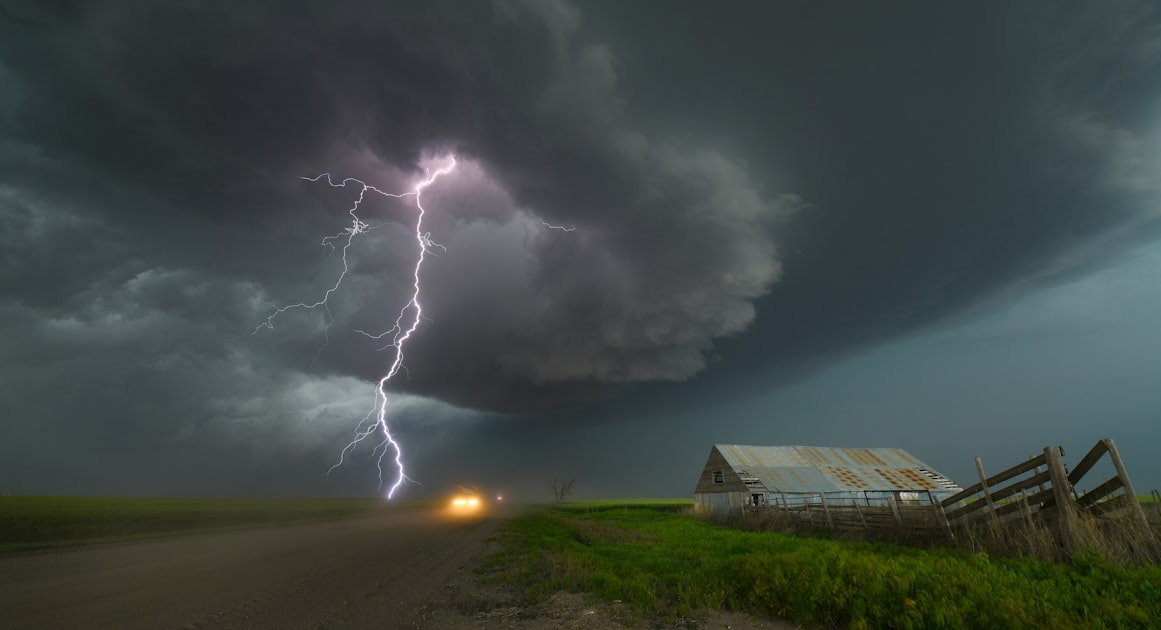
Severe weather alerts are one of the most important tools for storm chasers and weather enthusiasts. They provide real-time information about developing conditions and can make the difference between staying safe and being caught off guard.
Understanding severe weather alerts isn’t just about reading them—it’s about knowing how to interpret them and act quickly when conditions change.
Types of Weather Alerts
Not all alerts mean the same thing, and knowing the difference is critical.
A watch means conditions are favorable for severe weather. This is your signal to stay alert and be prepared to act.
A warning means severe weather is occurring or imminent. At this point, immediate action is required to protect yourself.
There are also more specific alerts, such as:
- Tornado warnings
- Severe thunderstorm warnings
- Flash flood warnings
Each type provides insight into what kind of threat you’re facing and how urgently you need to respond.
How to Interpret Alerts
Reading a weather alert goes beyond the headline. Each alert contains key details that help you make informed decisions.
Pay attention to:
- The location of the threat
- The timing (when it starts and ends)
- The hazards involved (hail, wind, tornado potential)
- Movement direction and speed
Modern alerts often include radar-based indicators and impact tags like “considerable” or “destructive,” which give additional context about storm severity.
The more familiar you become with these details, the faster and more confidently you’ll be able to react.
Staying Safe During Severe Weather
No matter how experienced you are, safety must always come first when dealing with severe weather alerts.
If a warning is issued in your area:
- Seek shelter immediately
- Avoid unnecessary travel
- Monitor updates continuously
For storm chasers, alerts should guide your decisions—not override your judgment. Just because you’re tracking a storm doesn’t mean you should push closer if conditions become dangerous.
Having multiple ways to receive alerts—such as mobile apps and weather radios—ensures you stay informed even if one system fails.
Why Alerts Matter
Severe weather alerts are designed to protect lives. They combine meteorological expertise, radar technology, and real-time observations to give you the most accurate picture possible.
By understanding how alerts work and how to respond, you’re not just chasing storms—you’re doing it responsibly and safely.